

How To Check Computer Performance In Windows 7
Nosotros often wonder why our workaday estimator chores seem to take merely every bit long equally they ever did, despite the fact that hardware is more often than not more reliable and more powerful than ever. The answer to this apparent riddle comes in the form of McFedries' law of computing codependence: The increase in software organisation requirements is directly proportional to the increment in hardware system capabilities. For example, imagine that a slick new chip is released that promises a 10% speed boost; software designers, seeing the new scrap gain broad acceptance, add 10% more than features to their already swollen code to accept advantage of the higher functioning level. Then another new chip is released, followed by another software upgrade—and the bike continues ad nauseum as these twin engines of reckoner progress lurch codependently into the future.
And so, how practise you intermission out of the performance deadlock created by the immovable object of software lawmaking bloat meeting the irresistible forcefulness of hardware advancement? By optimizing your computer to minimize the effects of overgrown applications and to maximize the native capabilities of your hardware. Of course, it helps if your operating system gives y'all a practiced set up of tools to improve and monitor operation, diagnose issues, and proceed your information safe. Windows XP came with a decent set of client tools, Vista improved on them (although not with anything radically new or earth shattering), and Windows 7 stays the course.
Figurer Performance Monitor Capabilities
Performance optimization is a bit of a black art in that every user has dissimilar needs, every configuration has different operating parameters, and every system tin can react in a unique and unpredictable mode to performance tweaks. That means if you want to optimize your system, you lot have to become to know how it works, what information technology needs, and how it reacts to changes. You tin can do this by just using the system and paying attention to how things look and feel, but a more rigorous approach is often chosen for. To that end, the next few sections take you lot on a brief bout of Windows 7'due south functioning monitoring capabilities.
Viewing Your Calculator's Performance Rating
Like Windows Vista, Windows 7 tailors sure aspects of itself to the capabilities of the system on which you're installing it. For example, the Windows 7 interface changes depending on the graphics hardware on the car, with low-end machines getting the Windows 7 Basic theme, and loftier-end GPUs getting the full Aero handling.
Just Windows 7 as well scales other aspects upward or downwardly to suit its hardware home. With games, for example, Windows seven enables certain features only if the hardware can support them. Other features scaled for the computer'south hardware are TV recording (for case, how many channels can information technology tape at once?) and video playback (for instance, what is the optimal playback size and frame rate that doesn't consequence in dropped frames?).
The tool that handles all of this, non but for Windows seven itself only also for third-party programs, is the Windows System Assessment Tool, or WinSAT. This tool runs during setup, and once again whenever you make major performance-related hardware changes to your system. Information technology focuses on 4 aspects of computer performance: graphics, retentiveness, processor, and storage. For each of these subsystems, WinSAT maintains a set of metrics stored every bit an assessment in XML format. Windows seven needs to examine only the latest assessment to see what features the computer can support. Annotation, likewise, that tertiary-party programs tin use an application programming interface that gives them access to the assessments, so developers can melody program features depending on the WinSAT metrics.
Five metrics are used:
- Processor—This metric determines how fast the system can procedure data. The Processor metric measures calculations per 2nd processed.
- Memory (RAM)—This metric determines how chop-chop the system tin motility big objects through memory. The Retentiveness metric measures retentivity operations per second.
- Graphics—This metric determines the figurer'due south capability to run a composited desktop similar the one created by the Desktop Window Managing director. The Graphics metric expresses frames per 2d.
- Gaming Graphics—This metric determines the calculator'south capability to render 3D graphics, especially those used in gaming. The Gaming Graphics metric expresses effective frames per second.
- Main Hard Disk—This metric determines how fast the computer can write to and read from the hard disk. The Master Hard disk storage metric measures megabytes per second.
In addition to WinSAT, Windows 7 comes with the Functioning Rating tool that rates your computer based on its processor, RAM, hard disk, regular graphics, and gaming graphics. The result is the Windows Experience Index base of operations score.
To launch this tool, select Start, type performance, and then click Operation Information and Tools in the search results. In the Performance Information and Tools window, if you see a button named Charge per unit this Estimator, click that button to run the initial assessment.
As you can run across in Figure half-dozen.i, Windows 7 supplies a subscore for each of the five categories and calculates an overall base score. Y'all can get a new rating (for instance, if you change functioning-related hardware) by clicking the Re-run the Cess link.
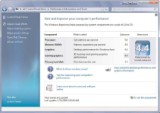
Effigy six.1 Windows seven calculates a Windows Organization Functioning Rating based on five categories.
Interpreting the ratings is a bit of a blackness art, but I can tell you lot the following:
-
- In general, the college the rating, the better the performance.
- The lowest possible value is 1.0.
- The highest possible value is 7.9 (upwards from 5.ix in Windows Vista, which is a reflection of hardware improvements over the past few years).
- The base score takes a weakest-link-in-the-chain arroyo. That is, you could accept nothing but five.0 scores for everything else, simply if you lot become merely i.0 because your notebook can't do gaming graphics, your base of operations score will be 1.0.
- In general, the college the rating, the better the performance.
Computer Performance Monitoring with Task Managing director
The Task Manager utility is first-class for getting a quick overview of the current country of the system. To become it onscreen, press Ctrl+Alt+Delete to open the Windows Security screen and then click the Start Task Manager link.
Tip
To bypass the Windows Security screen, either press Ctrl+Shift+Esc, or right-click an empty section of the taskbar and click Start Task Manager.
The Processes tab, shown in Figure vi.2, displays a list of the programs, services, and system components currently running on your organisation. (By default, Windows 7 shows just the process you take started. To see all the running processes, click Evidence Processes from All Users.) The processes display in the lodge in which they were started, simply y'all tin can change the gild by clicking the cavalcade headings. (To render to the original, chronological order, you must close downwardly and restart Task Director.)
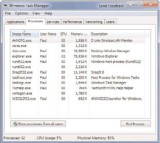
FIGURE 6.ii The Processes tab lists your arrangement'south running programs and services.
In addition to the image name of each process, the user who started the procedure, and a description of the process, y'all see ii functioning measures:
-
- CPU—The values in this column tell you lot the percentage of CPU resources that each process is using. If your arrangement seems sluggish, look for a process consuming all or well-nigh all the resource of the CPU. Most programs will monopolize the CPU occasionally for short periods, but a program that is stuck at 100 (percent) for a long time virtually likely has some kind of trouble. In that case, attempt shutting downwardly the program. If that doesn't work, click the programme's process and and so click Finish Procedure. Click the Yeah push when Windows 7 asks whether you're sure that you want to practise this.
- Retentiveness—This value tells yous approximately how much retentivity a process is using. This value is less useful because a procedure might genuinely require a lot of retentiveness to operate. However, if this value is steadily increasing for a process that you're not using, it could indicate a problem and y'all should shut down the process.
- CPU—The values in this column tell you lot the percentage of CPU resources that each process is using. If your arrangement seems sluggish, look for a process consuming all or well-nigh all the resource of the CPU. Most programs will monopolize the CPU occasionally for short periods, but a program that is stuck at 100 (percent) for a long time virtually likely has some kind of trouble. In that case, attempt shutting downwardly the program. If that doesn't work, click the programme's process and and so click Finish Procedure. Click the Yeah push when Windows 7 asks whether you're sure that you want to practise this.
Tip
The four default columns in the Processes tab aren't the only information available to you. Select the View, Select Columns command to see a list of more than two dozen items that you lot can add to the Processes tab.
The Performance tab, shown in Figure 6.three, offers a more substantial drove of functioning data, specially for that earth-shaking component, your arrangement'due south retentiveness.
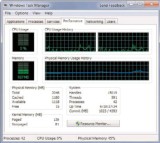
Effigy half-dozen.3 The Performance tab lists various numbers related to your calculator's memory components.
The graphs bear witness you both the current value and the values over fourth dimension for the CPU usage (the total percentage of CPU resources that your running processes are using) and the physical memory usage. Below the graphs are various numbers. Here's what they hateful:
- Concrete Memory Total—The full amount of physical RAM in your organisation.
- Physical Memory Cached—The amount of physical RAM that Windows 7 has set aside to store recently used programs and documents.
- Physical Retentiveness Costless—The amount of physical RAM that Windows seven has bachelor for your programs. Notation that Windows seven does not include the system cache (refer to the previous detail) in this total.
- Kernel Memory Paged—The corporeality of kernel retention mapped to pages in virtual retention.
- Kernel Retentivity Nonpaged—The corporeality of kernel retentivity that cannot map to pages in virtual memory.
- Arrangement Handles—The number of object handles used past all running processes. A handle is a pointer to a resource. For example, if a process wants to employ a detail service offered by a item object, the process asks the object for a handle to that service.
- System Threads—The number of threads used past all running processes. A thread is a unmarried processor task executed past a process, and about processes can use ii or more threads at the aforementioned time to speed up execution.
- System Processes—The number of processes currently running (that is, the number of items yous see in the Processes tab if you activate the Prove Processes from All Users control).
- System Upwards Time—The number of days, hours, minutes, and seconds that you have been logged on to Windows 7 in the current session.
- System Commit (MB)—The minimum and maximum values of the folio file. What is a page file? Your computer tin address memory beyond the amount physically installed on the system. This nonphysical retentiveness is virtual retentivity implemented by setting upward a piece of your hd to emulate physical retentiveness. This difficult disk storage is actually a unmarried file called a page file (or sometimes a paging file or a swap file). When physical memory is full, Windows 7 makes room for new information by taking some data that'due south currently in retentiveness and swapping it out to the page file.
Here are ii notes related to these values that will help you monitor memory-related performance issues:
- If the Physical Memory Free value approaches zero, it ways your system is starving for memory. You might have too many programs running or a large program is using lots of retentivity.
- If the Physical Memory Cached value is much less than half the Physical Retentivity Total value, it means your system isn't operating every bit efficiently every bit information technology could because Windows seven can't store plenty recently used data in retentivity. Because Windows 7 gives up some of the system cache when it needs RAM, close downward programs you don't need.
In all of these situations, the quickest solution is to reduce the system's retentivity footprint by endmost either documents or applications. For the latter, use the Processes tab to decide which applications are using the most memory and shut downward the ones you lot tin live without for now. The amend, just more than expensive, solution is to add more physical RAM to your system. This decreases the likelihood that Windows 7 will demand to use the paging file, and information technology enables Windows 7 to increase the size of the arrangement enshroud, which greatly improves performance.
If you're not sure which process corresponds to which program, display the Applications tab, right-click a program, so click Go to Process. Job Manager displays the Processes tab and selects the procedure that corresponds to the program.
Using the Resource Monitor
Windows 7 comes with a new tool for monitoring your system yourself: the Resource Monitor. (Information technology's actually a standalone (and revamped) version of the Resource Monitor from Windows Vista.) You load this tool by selecting Start, typing monitor, and then clicking Resources Monitor in the search results. Figure 6.four shows the window that appears.
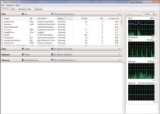
Figure 6.4 The new Resource Monitor enables you to monitor various aspects of your computer.
The Resource Monitor is divided into five tabs:
-
- Overview—This section shows a couple of basic metrics in iv categories: CPU, Disk, Network, and Memory, equally well equally graphs that show electric current activity in each of these categories. To see more data nearly a category (as with the CPU category in Effigy 6.4), click the downward-pointing arrow on the right side of the category header.
- CPU—This section (encounter Figure 6.five) shows the CPU resources that your system is using. In two lists named Processes and Services, you see for each item the current status (such as Running), the number of threads used, the CPU percentage currently existence used, and the average CPU per centum. You also get graphs for overall CPU usage, service CPU usage, and CPU usage by processor (or by core).
-
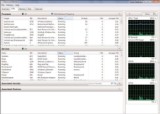
FIGURE 6.v The CPU tab breaks down CPU usage by processes and by services.
- Memory—This tab displays a list of processes and for each one it shows the boilerplate number of hard retention faults per minute, the full memory committed to the process, the working set (the number of kilobytes resident in retentivity), the amount of shareable retentivity (memory that other processes can use if needed), and the amount of private retentiveness (memory that is dedicated to the process and cannot be shared). Notation: A retentivity fault does non refer to a concrete trouble. Instead, it ways that the organisation could non detect the data it needed in the file system enshroud. If it finds the data elsewhere in retention, it is a soft fault; if the system has to go to the hard disk to recollect the data, it is a hard fault.
-
- Deejay—This tab shows the total hard disk I/O transfer charge per unit (disk reads and writes in bytes per minute), as well as split read and write transfer rates. .
- Network—This tab shows the total network information transfer charge per unit (data sent and received in bytes per minute).
Using the Performance Monitor
The Performance Monitor provides you with real-fourth dimension reports on how various organization settings and components are performing. Yous load it by selecting Start, typing operation, and then pressing Enter to choose Functioning Monitor in the search results. In the Performance Monitor window, open up the Monitoring Tools co-operative and click Operation Monitor.
Performance Monitor displays real-time data using performance counters, which are measurements of arrangement activeness or the electric current organisation state. For each counter, Operation Monitor displays a graph of recent values over a time space (the default time space is 100 seconds), as well as statistics such every bit the boilerplate, maximum, and minimum values over that span.
By default, Performance Monitor doesn't show any counters. To add together one to the Performance Monitor window, follow these steps:
-
- Right-click anywhere inside the Performance Monitor and so click Add Counters. The Add Counters dialog box appears.
- To use the Available Counters listing, click the downwardly-pointing arrow abreast a counter category (such as Retentiveness, Paging File, or Processor). A listing of bachelor counters appears.
- Select the counter yous want to employ. (If you demand more information about the item, activate the Show Description bank check box.)
- If the counter has multiple instances, they appear in the Instances of Selected Object list. Click the instance you want to apply.
- Click Add.
- Repeat steps 2–five to add any other counters y'all want to monitor.
- Click OK.
The counter appears at the lesser of the window (see Figure 6.half dozen). A different-colored line represents each counter, and that color corresponds to the colored lines shown in the graph. Annotation, as well, that you tin go specific numbers for a counter—the most recent value, the average, the minimum, and the maximum—by clicking a counter and reading the boxes but below the graphs. The idea is that you should configure Performance Monitor to evidence the processes you're interested in (page file size, gratuitous retentivity, and so on) and then keep it running while you perform your normal chores. By examining the Functioning Monitor readouts from time to fourth dimension, you proceeds an appreciation of what is typical on your system. If you see performance problems, you can check Functioning Monitor to see whether you've run into any bottlenecks or anomalies.
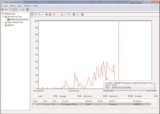
FIGURE 6.6 Use Performance Monitor to keep an centre on various system settings and components.
Performance Monitor has a few new features that make it easier to use and a more powerful diagnostics tool:
-
- If you're using a counter with a significantly different calibration, y'all tin calibration the output and then that the counter appears within the graph. For example, the graph's vertical axis runs from 0 to 100; if you lot're displaying a percent counter, the Scale value is 1.0, which ways the graph numbers correspond directly to the percentages (50 on the graph corresponds to 50%). If you're also showing, say, the Commit Limit counter, which shows values in bytes, the numbers tin run in the billions. The Commit Limit counter's Scale value is 0.00000001, so the value 20 on the graph corresponds to 2 billion bytes.
- You can save the current graph as a GIF image file: right-click the graph and then click Salvage Prototype Equally.
- You can toggle the brandish of individual counters on and off. You do this by toggling the check boxes in the Show column.
- Y'all can change the duration of the sample (the number of seconds of information that appear on the chart). Right-click the nautical chart, click Backdrop, click the Full general tab, and and then modify the Duration value. You tin can specify a value between ii and 1,000 seconds.
- Yous can see individual data points by hovering the mouse over a counter. After a second or ii, Performance Monitor displays the counter name, the time and appointment of the sample, and the counter value at that time (refer to Effigy 6.vi).
Data Collector Sets
A data collector is a custom set up of functioning counters, upshot traces, and system-configuration data that you lot define and salvage and so that you can run and view the results any time you lot need them. You lot can configure a information collector prepare to run for a preset length of time or until the set reaches a specified size. Yous can also configure a data collector to run on a schedule. For example, you could run the data collector every hour for 15 minutes from nine a.m. to 5 p.m. This enables you to benchmark performance and analyze the results not only intraday (to compare performance at different times of the day) only also interday (to see whether performance is slowing over time).
Reports
This section holds the reports created by each data collector set. These are .blg files, and you can see the results by clicking the study so switching to Sysmon view (click the Nautical chart icon in the toolbar). Alternatively, open up the folder that contains the report file in Windows Explorer (the default salvage location is %SystemDrive%perflogs) and doubleclick the study file.
About the author
Paul McFedries is the president of Logophilia Limited, a technical writing company, and has been writing computer books since 1991. McFedries is the writer or coauthor of more lx books that have sold more than than 3 one thousand thousand copies worldwide. He is also the proprietor of Wordspy.com, a website described every bit "the discussion lover's guide to new words," which tracks new words that get office of the English linguistic communication.

 Tuning Windows vii's performance
 Windows 7 performance monitoring tools
Optimizing Windows 7 startup performance for energy efficiency
Optimizing Windows 7 awarding operation
Improving Windows 7 performance by optimizing the hard disk
Windows seven virtual retentiveness performance optimization
Printed with permission from Sams Publishing. Copyright 2009. Microsoft Windows 7 Unleashed by Paul McFedries. For more information about this championship and other similar books, please visit world wide web.pearson.com.
Dig Deeper on MSP engineering services
-

Using Task Director to monitor memory usage in Windows 10

Past: Gary Olsen
-

How Information technology admins can utilise PowerShell to monitor CPU usage

Past: Dan Franciscus
-

Tips and tricks to improve memory paging on servers

Past: Stephen Bigelow
-

Tips for improving Active Directory performance on servers
By: Stephen Bigelow
Source: https://www.techtarget.com/searchitchannel/feature/Windows-7-performance-monitoring-tools
Posted by: menendezupong1962.blogspot.com
0 Response to "How To Check Computer Performance In Windows 7"
Post a Comment